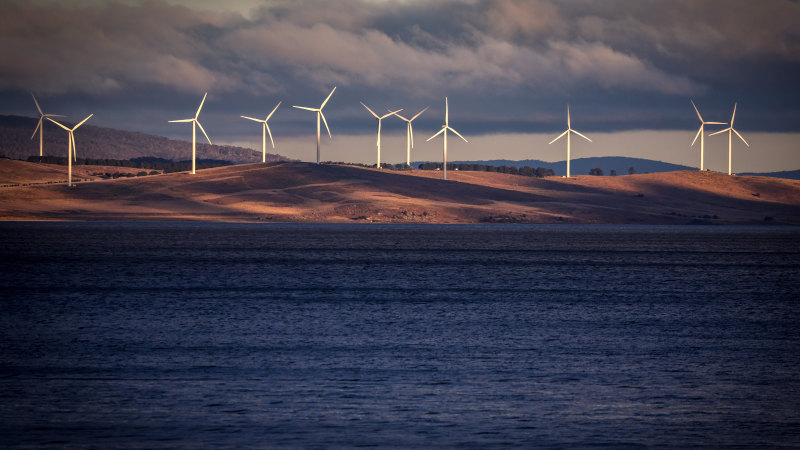
Australia’s rollout of renewables and batteries has delivered a year of lower power prices, but energy executives warn the grid remains on a knife’s edge.
Wholesale electricity prices across eastern Australia dropped to five-year seasonal lows during the past six months, driven by record-high renewable energy generation and a surge in battery installations. This expansion of green energy and storage capacity allowed customers on basic retail plans to experience bill reductions of up to 10 per cent. Data from the Australian Energy Market Operator indicates that wholesale costs paid by retailers fell 47 per cent year-on-year across eastern Australia in the June quarter, marking the lowest average for that period since 2020.
Victoria recorded the steepest decline, with wholesale costs falling 60 per cent to $56 per megawatt-hour. AEMO general manager of policy Violette Mouchaileh stated that renewables, batteries, and household-level technologies are altering demand patterns, supporting system reliability, and increasing lower-cost energy availability. Meanwhile, renewable energy sources have reached nearly half of the grid's energy mix for the first time.
Despite these lower prices, industry executives have warned that the electricity grid remains precariously balanced as aging coal-fired generators continue to shut down. More than half of the remaining coal plants in the system are scheduled to close by 2035 due to high maintenance costs and unreliability, even though coal currently supplies nearly 50 per cent of eastern Australia's electricity. AEMO and major electric companies maintain that replacing these retiring facilities with wind, solar, batteries, pumped hydroelectric storage, and gas-powered generation is the most cost-effective way to preserve grid reliability.
Industry leaders noted that favorable weather and operations also contributed to this year's performance. Origin Energy chief executive Frank Calabria pointed out that milder winter conditions reduced heating demand, while eastern seaboard coal plants experienced fewer unexpected breakdowns than usual. Calabria cautioned that winter weather creates recurring tests for grid stability because cold snaps increase heating demand while shorter daylight hours decrease solar panel output.
AGL chief Damien Nicks shared similar concerns regarding the fragile state of the market, observing that unseasonably soft market conditions and improved coal fleet availability aided current stability. Nicks and Calabria both emphasized the urgent need for new projects, noting that wind farm deployments are currently lagging behind the pace required to replace retiring coal infrastructure without risking price spikes or blackouts. Wind developments face financial hurdles from rising costs for steel, concrete, labor, and financing, alongside community opposition in regional areas and transmission network congestion.
To address reliability concerns during extended periods of low wind and sunlight, executives stressed the necessity of building more fast-response gas-fired power plants. Calabria explained that gas plants are required because batteries cannot shift energy between seasons and typically exhaust their stored capacity within a few hours. Additionally, Nicks suggested that the Albanese government implement stricter use-it-or-lose-it regulations for the Capacity Investment Scheme to ensure developers construct projects under underwriting contracts or relinquish them to others who can build them.
Originally reported by SMH.com.au on Aug 16, 2026.